Uncover the Crucial Services Delivered by a Professional Arborist for Maintaining Healthy Trees
A professional arborist provides numerous services crucial for ensuring tree wellness and enhancing landscapes. Their expertise in tree pruning stimulates development and minimizes threats. They also assess and handle tree diseases, making sure personalized treatments are implemented - Florence Arborist. Additionally, arborists perform safe tree extractions and can assist with planting and transplanting. Their role is especially important during urgent times such as storm damage. Understanding these services can greatly impact one’s approach to tree care
The Value of Tree Pruning
Although many homeowners may overlook the necessity of tree pruning, it plays an essential role in preserving the health and aesthetics of trees. Proper pruning helps trees develop a robust structure, removing dead or diseased branches that could create hazards. By judiciously pruning limbs, the tree can direct its energy on healthy growth, fostering superior air movement and sunlight penetration. Additionally, pruning can improve the look of the tree, forming it for visual beauty in residential landscapes.
Moreover, regular pruning can avert future risks, such as limbs falling during storms or high winds, which could damage property or hurt people. It also helps prevent of pest outbreaks and diseases by improving the tree's resilience. Ultimately, retaining expert arborist services for tree pruning guarantees that trees remain healthy, safe, and visually pleasing, contributing considerably to the overall beauty and value of the property.
Identifying and Treating Tree Diseases
Tree health can be greatly compromised by a range of diseases that may not always be instantly obvious. A professional arborist is crucial in diagnosing these conditions early, utilizing a combination of visual inspections and testing equipment. Symptoms such as leaves changing color, wilting, or irregular growth shapes often signal underlying health issues. Arborists evaluate these signs to determine exact ailments, whether fungal, bacterial, or viral in nature.
After a diagnosis is made, the professional designs a bespoke care program. Such a strategy might incorporate specific applications, such as chemical controls, and cultural practices that boost the tree's resistance. Additionally, correct hydration, the application of mulch, and feeding can significantly boost the vitality of the tree and defense against pathogens. Regular monitoring and subsequent care are necessary for successful control, guaranteeing the lifespan and health of the trees. When dealing with tree diseases promptly, arborists help maintain the environmental value and aesthetic appeal provided by healthy trees.
Secure Methods for Tree Extraction
Effective tree removal practices are critical for securing the safety of the crew and limiting harm to adjacent areas. Professional arborists employ a thorough assessment of the tree's condition, its location, and the immediate vicinity before beginning the felling process. Arborists use specific tools, such as chainsaws and rigging gear, to make clean incisions and control during the felling process.
A well-planned removal strategy requires recognizing risks, such as power lines or nearby structures, which can compromise the safety measures. Tree specialists frequently employ a method known as "sectional dismantling," in which the tree is taken apart in smaller segments, lessening the hazard posed by dropping wood.
Furthermore, arborists adhere to local rules and standards to guarantee compliance and ecological responsibility. After the removal, proper cleanup and disposal of the remaining wood and brush, stump removal being included, contribute to the overall safety and aesthetics of the property.
Guidelines for Tree Installation
Installing and relocating trees demands close attention of choosing the location and planting techniques to guarantee long-term health and growth. Choosing the correct site significantly influences a tree's development, whereas good planting practices reduce trauma and promote successful establishment. Professionals stress these considerations as essential for enhancing the strength and endurance of trees in various settings.
Selecting an Appropriate Site

Choosing the right location for planting or transplanting trees is essential for their sustained health and success. Considerations including the condition of the soil, sunlight exposure, and water runoff must be thoroughly assessed. Professional arborists examine the specific site conditions, to guarantee that the chosen spot provides adequate nutrients and proper foundation for the trees. In addition, the closeness to current access resource buildings and neighboring vegetation is essential to stop the fight for nutrients and avoid potential damage. Tree specialists also factor in the tree’s mature size and underground network, guaranteeing enough area for development. Through a comprehensive site evaluation, these professionals assist customers make informed decisions that foster robust, flourishing trees, ultimately enhancing the landscape’s visual appeal and natural benefits.
Ideal Planting Techniques
After the location is thoroughly evaluated and chosen, the subsequent phase requires using optimal methods for planting trees. Preparing the planting hole correctly is crucial; it should be twice the width of the root ball and the same depth as the root ball. The plant must be positioned in the opening so that the upper surface of the roots aligns with the adjacent ground. Backfill with native soil, ensuring there are no air pockets, and soak the area well to help the roots settle in initially. Applying mulch at the bottom aids in water retention and suppress weeds. Florence Arborist. If moving mature plants, it’s important to minimize root disturbance and relocate the plant in its resting phase for the greatest likelihood of thriving. Following these techniques promotes robust development and long life
Responding to Storm-Related Tree Hazards
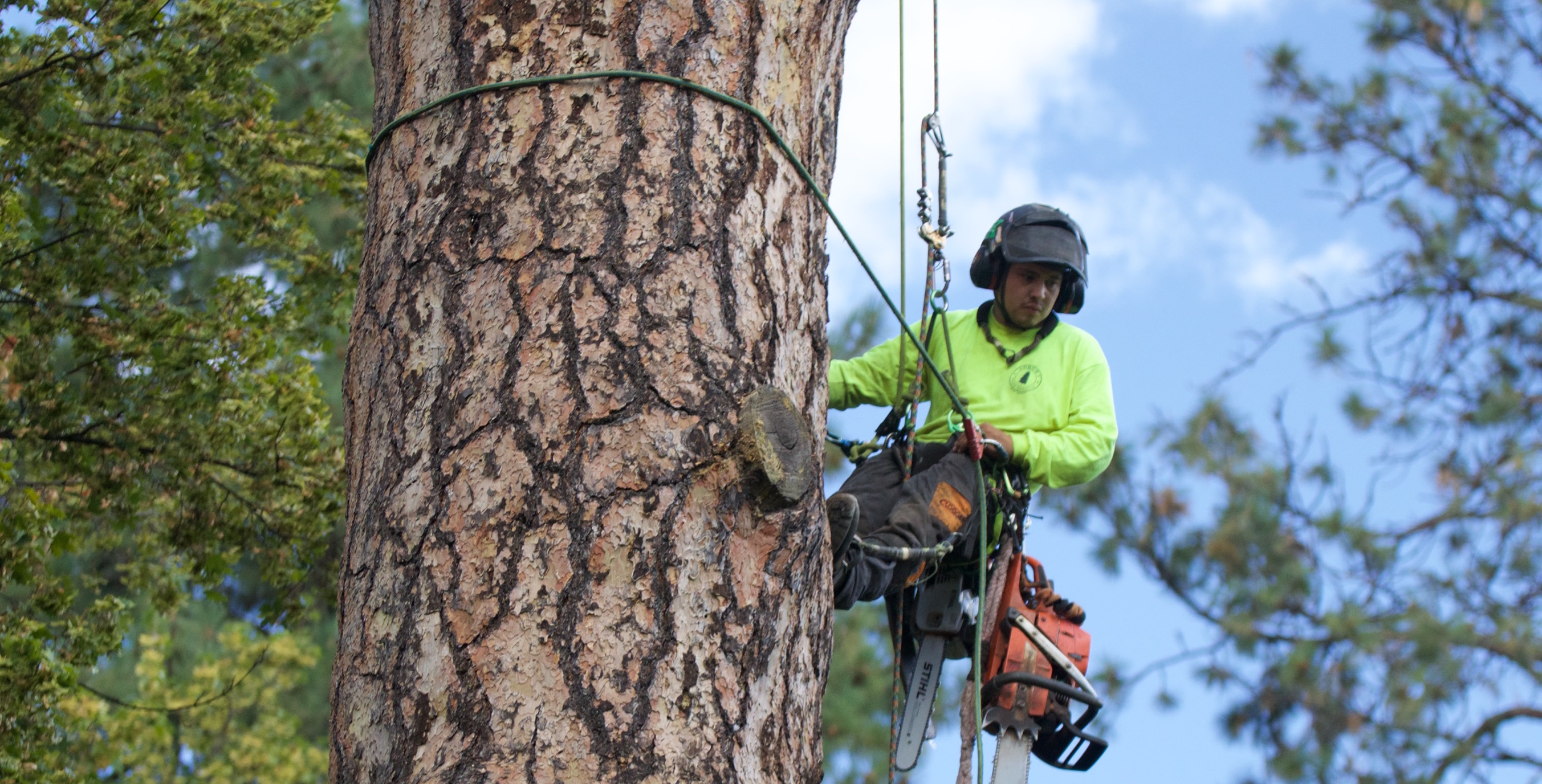
After powerful weather events occur, the aftermath can leave trees in hazardous situations, creating threats to buildings and people. Professional arborists play a vital role in immediate action, inspecting weather-damaged trees to check how safe and healthy they are. With their skill, they can discern which plants can be saved and which present immediate dangers that need to be taken down.
Equipped with specialized tools, tree experts are able to securely trim fractured limbs and clear debris, preventing subsequent injury to nearby locations. Arborists also offer helpful guidance on preventive measures, such as picking durable tree varieties for upcoming installations.
In addition to immediate response, arborists help homeowners understand the future impacts resulting from the weather, giving counsel on how to repair and revive. Through quick and effective action, certified tree experts safeguard assets but also aid in the recovery of the local environment after severe storms.
Nutritional Support and Ground Care
Subsequent to storm damage, the priority becomes the well-being of the trees that remain, highlighting the significance of nutritional support and ground care. A professional arborist checks soil conditions and tree vitality to ascertain exact dietary needs. Trees need essential nutrients, like nitrogen, phosphorus, and potassium, to recover and thrive following stressful periods.
Ground care plays an essential role in how nutrients are accessed and root growth. Arborists may recommend ground improvements, such as organic matter, to improve soil structure and microbial activity. The correct pH balance are also assessed, as they influence nutrient uptake.
Applying mulch can help the soil hold water and prevent weed growth, creating an ideal environment for tree recovery. With a detailed feeding regimen and implementing effective soil management strategies, arborists ensure trees recover their vigor, resilience, and total well-being, which is critical for maintaining a balanced ecosystem after major environmental events.
Frequently Asked Questions
How Often Should I Have My Trees Inspected?
Trees should ideally be inspected annually for maximum vitality. However, more frequent evaluations might be required for younger trees, after severe weather events, or if any signs of distress or disease are observed.
What Expertise is Needed in an Arborist?
In your search for a tree expert, one should look for credentials like ISA (International Society of Arboriculture) accreditation, proven track record, insurance coverage, and a solid name within the community, guaranteeing skill in arboriculture and safety practices.
Do Arborists Utilize Special Equipment for Tree Care?
Arborists employ various specialized tools for tree care, such as chainsaws, pruning shears, climbing gear, and stump grinders. Every piece of equipment has a distinct function, facilitating good care, pruning, and removal of trees and boosting total well-being and safety.
What is the Influence of Climate on Tree Health?
The climate significantly affects tree health; heavy rainfall may result in root rot, while lack of water weakens trees. Harsh weather conditions can lead to the destruction of leaves and branches, consequently impacting growth, resilience, and general health of the trees.
Should I handle my own tree maintenance, or Should I Hire a Professional?
While some basic tree care tasks are manageable by homeowners, it's often wise to employ a professional - Florence Arborist. Trained individuals carry specialized equipment and knowledge, making certain the trees obtain the appropriate care required for peak growth and vitality